

Cacao Powder vs. Cocoa Powder: Not as Similar as You Think
|
Time to read 8 min

Need anything else? Grab one of these to complete your purchase.
|
Time to read 8 min
They come from the same bean and look nearly identical on the shelf. The difference is in how they're made, and that changes everything about flavor, nutrition, and baking results.
They sit next to each other on the shelf, they're both brown, they both smell like chocolate, and their names are almost identical. So why does it matter which one you grab? The answer has everything to do with how they're made, and that process gap creates meaningful differences in flavor, nutrition, and how each one behaves when you cook with it.
Both cacao powder and cocoa powder come from the same source: the cacao bean, which is technically a seed inside the fruit of the Theobroma cacao tree. This tree is native to South America but now grows across West Africa, which produces more than half the world's supply, as well as parts of Asia.
Getting from that raw seed to a pantry-ready powder takes several steps. First, the pods are harvested and cracked open. The seeds are left to ferment for several days, still coated in the sweet white pulp surrounding them. Fermentation is what starts to build chocolate's signature flavor. After that, the beans are dried in the sun for about a week.
At this point, the processing paths split, and that split is where all the differences begin.
Cacao powder is produced by cold-pressing fermented, dried cacao beans. The pressing removes most of the fat (called cocoa butter), leaving behind a dense, nutrient-rich mass that gets ground into a fine powder. Minimal heat is used throughout. Most cacao powders aim to keep processing as close to raw as possible.
Cocoa powder takes a different route. The beans are roasted at high temperatures, typically between 250°F and 350°F, before the cocoa butter gets pressed out. That roasting step mellows the naturally sharp, bitter notes of the raw bean and produces the familiar chocolatey taste most people grew up with.
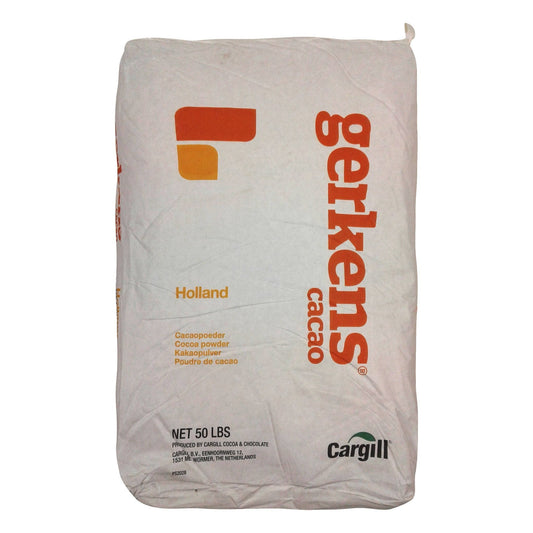
Dutch-processed cocoa (sometimes labeled "alkalized") goes one step further. After roasting, it gets treated with an alkaline solution to neutralize its natural acidity. The result is a darker, smoother powder with noticeably less bitterness. It dissolves well in liquids and gives baked goods a deep, striking color. The trade-off is that the alkalization process strips out significantly more antioxidants than roasting alone.
| Feature | Cacao Powder | Cocoa Powder | Dutch-Processed |
|---|---|---|---|
| Processing | Cold-pressed, minimal heat | Roasted at 250–350°F | Roasted + alkalized |
| Flavor | Earthy, bitter, intense | Classic chocolate, slightly acidic | Smooth, mild, less bitter |
| Antioxidants | Highest | Moderate | Lowest (60%+ destroyed) |
| Acidity | Variable | Acidic | Neutral |
| Best for | Smoothies, raw treats | Baking with baking soda | Brownies, frosting, ganache |
| Price | Higher | Budget-friendly | Mid to high |
This is where the processing difference becomes more than a technicality.
Cacao beans are nutrient-dense. They're a strong source of magnesium, iron, calcium, and flavanols, a class of plant compounds with antioxidant properties. Because cacao powder skips the high-heat roasting step, it holds onto more of these nutrients. The cold-pressing process preserves enzymes and bioactive compounds that heat would otherwise break down.
Cocoa powder still has nutritional value. Unsweetened natural cocoa powder retains meaningful amounts of minerals and some antioxidants, and research on natural cocoa has found potential benefits including reduced inflammation, better cardiovascular markers, and some support for brain health.
Dutch-processed cocoa is where the nutrition takes the biggest hit. The alkalization process destroys 60% or more of cocoa's antioxidant content. It performs beautifully in baking, but if antioxidant intake is your goal, it's not the powder to reach for.
A few other nutrient differences worth knowing:
If you're reading a nutrition label, keep an eye on added sugar. Cocoa powders can have sugar blended in, particularly when sold as hot cocoa mixes rather than pure powder.
You'll taste it right away if you sample them side by side.
Cacao powder is intense. It has an earthy, slightly fruity bitterness and a raw edge to it. Some people describe it as more complex than cocoa, like the difference between a 90% dark chocolate bar and a milk chocolate one. It works well in smoothies, energy balls, and anything with other bold flavors alongside it.
Natural cocoa powder has the classic chocolate flavor most people recognize from brownies and birthday cake. It's a little acidic, noticeably less bitter than cacao, and the roasting process gives it a warmer, more rounded quality.
Dutch-processed cocoa is the smoothest and mildest of the three. Less bitterness, deeper color, and a flavor that works almost anywhere without dominating. It's the workhorse of professional baking for a reason.
The acidity difference between these powders matters more than most bakers expect, and it's not just about taste. It affects how baked goods rise.
Baking soda is alkaline. It needs an acid to activate and produce the carbon dioxide bubbles that make cakes and muffins rise. Natural cocoa powder is acidic enough to react with baking soda, which is why so many classic chocolate cake recipes call for both.
If you swap natural cocoa for Dutch-processed cocoa in a recipe that relies solely on baking soda for lift, the baked good may not rise properly. You can fix this by adding a small amount of acid (a teaspoon of white vinegar or lemon juice) or by switching to baking powder, which has its own acid built in.
Cacao powder is technically acidic, but its acidity varies between brands, making it less predictable. It's safer to treat it like Dutch-processed and confirm your recipe doesn't rely entirely on baking soda.
In recipes that use baking powder as the leavening agent, you can swap between all three with minimal issue. The flavor will shift, but the chemistry will hold.
Cacao powder absorbs liquid slightly more than cocoa powder, so you may need to add a small amount more liquid when substituting. It's also more bitter, so adjusting sweetness is worth considering. Dutch-processed gives the darkest color and smoothest result, which is why it's often preferred for brownies and showpiece chocolate cakes.
Cacao powder runs more expensive than cocoa powder, usually by a meaningful margin. That's partly because the cold-pressing process is more labor-intensive than roasting, and partly because cacao products tend to come from smaller-batch producers who pay closer attention to bean origin and processing quality.
Natural cocoa powder is widely available and affordable. Most grocery stores carry at least two or three brands. Dutch-processed can be harder to find in standard supermarkets but is readily available online and in specialty food stores.
If you bake often and want both on hand, they serve genuinely different purposes. Keeping one of each isn't excessive; it's practical.
Whatever powder you buy, the quality of the underlying cacao beans makes a difference. Origin matters. Fermentation protocols matter. Even how the beans are dried can affect flavor. Single-origin cacao products from transparent producers often taste noticeably better than generic store brands made with mixed-origin beans.
For cacao powder, look for products that are certified organic and sourced from farms with fair trade or similar third-party ethical certifications. For cocoa powder, unsweetened and minimally processed is the right call. A good cocoa powder should list one ingredient: cocoa.
Q: Is cacao powder the same as cocoa powder?
No. Both come from cacao beans, but they're processed differently. Cacao powder is cold-pressed from minimally processed beans, while cocoa powder is made from roasted beans. This difference affects flavor, nutrition, and how each performs in recipes.
Q: Can I substitute cacao powder for cocoa powder in baking?
In most recipes, yes. The flavor will be more intense and bitter, so adjusting sweetness may be needed. If the recipe uses baking soda as the only leavening agent, cacao powder's acidity can be unpredictable, so consider adding a small amount of acid or using baking powder instead.
Q: Which has more antioxidants, cacao or cocoa?
Cacao powder generally retains more antioxidants because it skips the high-heat roasting step that degrades these compounds. Dutch-processed cocoa has the lowest antioxidant content of the three due to the alkalizing treatment used in its production.
Q: Why is cacao powder more expensive than cocoa powder?
The cold-pressing production process is more involved than roasting, and cacao powder tends to come from smaller specialty brands that prioritize bean quality and ethical sourcing. Both factors push the price up.
Q: Does cocoa powder have caffeine?
Both cacao and cocoa powder contain small amounts of caffeine, but the main stimulant in both is theobromine, which produces a milder, longer-lasting alertness. Cacao powder tends to retain slightly more of both compounds due to minimal processing.
Q: What is Dutch-processed cocoa and is it healthier?
Dutch-processed cocoa is natural cocoa treated with an alkaline solution to neutralize its acidity. This makes it smoother and darker but also destroys a significant portion of its antioxidants. It's not the healthiest option, but it performs exceptionally well in baking.
Q: Can I use cacao powder in hot chocolate?
Yes. Cacao powder makes a strong, less sweet hot chocolate with a more intense chocolate flavor. Whisking it into warm liquid gradually works better than stirring it in all at once.
Q: Is raw cacao powder truly raw?
It depends on the brand. Some cacao powders are minimally processed from sun-dried beans, while others involve light roasting before pressing. The fermentation process itself generates heat, which means even "raw" cacao has been exposed to some warmth. Check with individual brands if raw processing matters to you.
Both powders earn their place. Cacao is the stronger choice when you're consuming chocolate as a food and want to benefit from what you're eating. Cocoa is the stronger choice when you're baking and want reliable, familiar results. Dutch-processed is the pro baker's pick when color and smooth flavor matter most.
Start by thinking about how you use chocolate-flavored powders most often. If it's mostly in baked goods, a solid natural cocoa powder covers most of what you need. If you're blending it into smoothies several mornings a week, cacao powder is worth the extra cost. And if you want the best-looking chocolate layer cake you've ever made, Dutch-processed delivers.
None of the three is universally better. They're different tools, and knowing which one to reach for makes everything taste better.
Dutch-processed, natural, and specialty cocoa powders available in bulk for bakeries and foodservice operations.
Browse Cocoa Powders