

Dark vs Bittersweet Chocolate: How Each Changes Your Baked Goods
|
Time to read 7 min

Need anything else? Grab one of these to complete your purchase.
|
Time to read 7 min
Chocolate shapes almost every part of a dessert. It influences flavor, texture, color, aroma, and structure. It determines whether a brownie turns out fudgy, whether a ganache sets with a smooth finish, and whether cookies have a balanced sweetness or a deep, rich taste. Yet many baking recipes use general terms that can cause confusion. Labels such as dark chocolate and bittersweet chocolate look similar, but the differences inside the wrapper change the entire result of a recipe. Understanding how these chocolates differ allows you to control flavor strength, sweetness level, and texture with much more accuracy.
Chocolate always starts with a few central ingredients. Cocoa solids supply strength and flavor. Cocoa butter adds richness and a melt that feels smooth on the tongue. Sugar softens the taste and changes the texture. Other elements, such as emulsifiers or flavorings, support consistency and blending. When these parts shift, the chocolate behaves differently. Even chocolates that appear similar can create entirely different outcomes once melted, folded into a batter, or blended with cream.
Chocolate choices shape everything from flavor to texture. Dark chocolate and bittersweet chocolate may look similar, but each one changes how a dessert tastes, melts, and sets. Once you look closer at how cocoa level, sugar, and cocoa butter work inside a recipe, the differences become obvious in the bowl and in the oven. Bakers who pay attention to these details can guide the strength, sweetness, and richness of their desserts with far more control.
Dark chocolate begins with chocolate liquor. This is a smooth mixture made by grinding roasted cocoa nibs into a paste containing cocoa solids and cocoa butter. Sugar is added to balance flavor. Some formulas include a small amount of milk fat for softness, but not enough to classify the chocolate as milk chocolate. Emulsifiers help maintain an even texture when the chocolate melts.
For chocolate to qualify as dark chocolate, it must include at least 35% cocoa. Because this is only a minimum requirement, the category covers a very wide range. Some dark chocolate sits at 45% cocoa, while others climb to 80% or even higher. This makes the label dark chocolate a broad term that does not explain how the chocolate will behave. A bar at the lower end tastes sweeter and melts more softly. A bar at the higher end tastes stronger and can firm up desserts more noticeably.
This difference becomes clear in baking. Lower cocoa dark chocolate works well in cookies, muffins, and cakes where sweetness needs to stay balanced and the chocolate should add flavor without overpowering other ingredients. Higher cocoa dark chocolate adds a deeper color, a richer taste, and a more pronounced chocolate character. The choice depends on how strong you want the chocolate to appear in the final dessert.
Because dark chocolate spans such a wide range of cocoa levels, bakers often choose it when a recipe allows freedom to adjust sweetness or strength. If a recipe does not specify a cocoa level, you can shape the outcome by selecting the cocoa level that matches the result you want.
Bittersweet chocolate is also made with chocolate liquor, cocoa butter, sugar, and an emulsifier, but the proportions shift to emphasize cocoa solids. Most bittersweet chocolate falls between 50% and 85% cocoa. Many popular varieties sit near 70% cocoa, which creates a recognizable deep chocolate flavor.
Because bittersweet chocolate contains more cocoa solids and less sugar than many dark chocolate options, its flavor is more intense. It adds richness with a slightly drier texture that works well in recipes where chocolate must stand at the center of the dessert. Brownies made with bittersweet chocolate taste denser and more robust. Flourless cakes made with it carry stronger cocoa notes. Cookies with bittersweet chocolate have a deeper finish and less sweetness.
Bittersweet chocolate is often recommended in recipes that rely on chocolate for primary structure or flavor. Lower sugar content helps keep sweetness balanced, especially when the dessert already includes sugar from other sources such as syrups, sweetened fillings, or toppings.
Cocoa level shapes how strong the chocolate tastes, but it also affects texture, moisture, and melting behavior. A chocolate with a lower cocoa level contains more sugar and sometimes more cocoa butter. This combination creates a softer melt and a smoother texture in the final dessert. Lower cocoa chocolate blends easily into batters and tends to produce desserts with milder flavor and softer structure.
Chocolate with a higher cocoa level melts more firmly and adds stronger flavor. It also influences color and density. Using chocolate near 70% cocoa creates darker brownies, richer cakes, and ganache that carries more strength. Because higher cocoa chocolate includes less sugar, recipes that rely on it are designed to draw sweetness from other ingredients.
When chocolate is used as the main source of richness, cocoa level becomes one of the biggest factors in how the dessert turns out.
Sugar does more than add sweetness. It affects moisture retention, structure, and the way chocolate interacts with other ingredients. Lower cocoa dark chocolate contains more sugar, which softens the finished dessert. Cookies spread more, brownies feel more tender, and cakes rise with a lighter crumb. Bittersweet chocolate contains less sugar, which can make desserts denser and richer.
In ganache, sugar level changes firmness. Higher sugar chocolate gives ganache a softer, creamier finish. Lower sugar chocolate creates a thicker, more structured mixture. This is why truffles made with bittersweet chocolate can hold shape more easily.
Understanding sugar level helps you adjust recipes without losing balance.
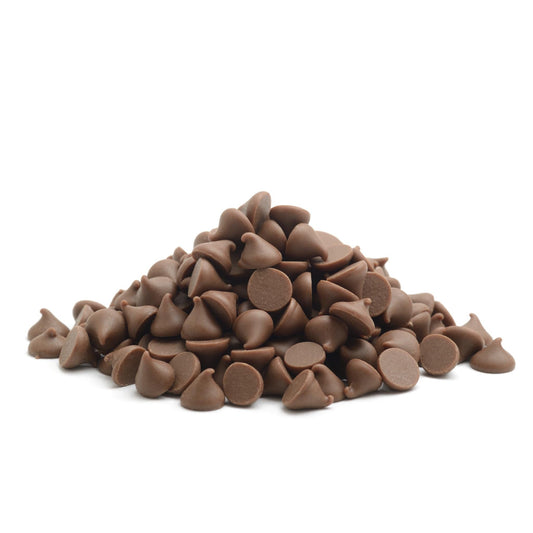
Cocoa butter is responsible for the smooth, rich melt that makes chocolate satisfying. Chocolate with higher cocoa butter content melts more evenly and blends better into cream or butter. This is why many bakers prefer chocolate bars when making ganache or sauces. Bars often contain more cocoa butter than chips, which are formulated to hold shape during baking.
When working with chocolate in batters, higher cocoa butter content gives a silkier texture. In cookies, it contributes to a softer mouthfeel. In cakes, it helps with moisture. Cocoa butter also influences how chocolate sets after melting, which affects glazes, fillings, and layered desserts.
Chocolate labels are not always straightforward. Two bars labeled dark chocolate may differ significantly. The most important number to look for is the cocoa level. This value tells you how much chocolate liquor and cocoa butter the bar contains. Higher numbers mean stronger flavor and less sugar.
Ingredients also matter. If the bar lists cocoa butter higher in the order, it may melt more smoothly. If sugar is listed near the top, the chocolate will taste sweeter and blend differently in a recipe.
Looking closely at labels helps you understand how the chocolate will behave before you start baking.
Substituting one chocolate for the other changes flavor, sweetness, and texture. Using dark chocolate with a lower cocoa level in a recipe created for bittersweet chocolate increases sweetness and softens intensity. To rebalance flavor, the sugar in the recipe may need to be reduced.
Using bittersweet chocolate in place of dark chocolate creates a stronger, more pronounced chocolate taste and reduces sweetness. In some desserts, this works well and adds depth. In others, it can overpower the intended flavor.
Matching cocoa levels is the best way to keep results consistent.
| Feature | Dark Chocolate | Bittersweet Chocolate |
|---|---|---|
| Cocoa Level | 35% to 85% cocoa | 50% to 85% cocoa, often near 70% |
| Flavor | Wide range from sweet to strong | Deep, rich, and less sweet |
| Sugar Level | Higher at lower cocoa levels | Lower sugar with stronger flavor |
| Melting | Smooth at moderate cocoa levels | Firmer melt at high cocoa levels |
| Best Use | Flexible for many desserts | Ideal for bold chocolate recipes |
Dark chocolate is useful when a recipe needs balance. Cookies that already contain sugar benefit from chocolate with moderate cocoa levels. Cakes with sweet fillings may taste better when the chocolate does not overpower the rest of the dessert. Muffins and quick breads often work well with chocolate that blends smoothly and contributes sweetness along with flavor.
Dark chocolate is also helpful when a recipe does not specify a cocoa level. Because the category is broad, bakers can select the cocoa level that matches their desired outcome. This makes dark chocolate a flexible choice for everyday baking.
Bittersweet chocolate is the right choice when chocolate needs to be the highlight. Brownies made with bittersweet chocolate gain dense structure and strong flavor. Cakes with minimal flour benefit from deeper cocoa notes. Ganache made with bittersweet chocolate sets with a thicker finish and carries more intensity. Desserts that rely on a balanced structure often respond well to bittersweet chocolate because its lower sugar level prevents excessive sweetness.
Bittersweet chocolate also works well in layered desserts, where strength helps maintain flavor even when combined with creams, fillings, or fruit elements.
How does cocoa level influence sweetness?
Higher cocoa levels reduce sweetness because they contain less sugar.
Why does ganache sometimes turn out too soft?
Chocolate with lower cocoa levels contains more sugar and fat, which leads to a softer mixture.
Is bittersweet chocolate always stronger than dark chocolate?
Bittersweet chocolate is usually stronger, but some dark chocolate may reach similar cocoa levels.
Can I mix chocolates with different cocoa levels?
Yes, combining chocolates allows you to adjust flavor and sweetness.
How do I choose chocolate for a recipe with fruit?
Lower cocoa chocolate works well with sweet fruits, while higher cocoa chocolate pairs well with tart fruits.
What cocoa level is good for brownies?
Chocolate near 60% to 70% creates balanced, rich brownies.
Do chocolate chips behave differently from chocolate bars?
Chips often contain less cocoa butter, which helps them hold shape but melt less smoothly.
Can I swap bittersweet chocolate for dark chocolate in cookies?
You can, but the cookies may taste less sweet and carry stronger chocolate flavor.
Once you understand how cocoa level, sugar level, and cocoa butter shape flavor and texture, selecting the right chocolate becomes much simpler. Some desserts benefit from a chocolate that blends softly into the batter, while others gain depth from stronger cocoa levels. By matching the chocolate to your baking style and the balance you want, you can guide the outcome of your desserts with much greater control. Whether you prefer softer sweetness or bold richness, knowing how each chocolate behaves helps you create baked goods that deliver the flavors you intend.