

Date Syrup Vs Honey: The Sweetener Choice That Changes Texture First
|
Time to read 7 min

Need anything else? Grab one of these to complete your purchase.
|
Time to read 7 min
Sweeteners are often treated as interchangeable. A tablespoon is a tablespoon. If it pours and tastes sweet, it gets added and the recipe moves on. In baking and food production, that assumption causes more inconsistency than almost any other single ingredient decision.
Sweeteners control far more than sweetness. They influence how water behaves in a batter, how quickly sugars brown under heat, how proteins set, and how long a finished product stays soft, glossy, or stable after it cools. When liquid sweeteners are involved, those effects become even more pronounced.
The difference between date syrup and honey becomes clear when recipes are pushed even slightly outside ideal conditions. Cookies spread differently. Glazes darken faster than expected. Cakes hold moisture longer or feel heavier the next day. In many of those cases, the sweetener choice is the quiet variable shaping the outcome.
Understanding how date syrup and honey behave allows bakers to choose deliberately instead of compensating later. Once that decision is intentional, results become far more predictable across batches and applications.
Date syrup is a liquid sweetener made by extracting and concentrating sugars from dates. Most commercial versions are produced by cooking dates in water and reducing the liquid until it becomes a thick, pourable syrup. Depending on processing, the ingredient list may include only dates or dates and water.
In baking, date syrup contributes sweetness alongside natural fruit solids and minerals carried over from the dates themselves. Its flavor is dark and rounded, often described as caramel-like or molasses-adjacent. Because it is already a liquid, date syrup adds both sweetness and moisture at the same time, which affects structure from the moment ingredients are mixed.
Date syrup does not behave like whole dates. Fiber content is reduced during processing, and sugars are more readily available. From a functional standpoint, it acts as a concentrated liquid sugar with fruit-derived flavor compounds.
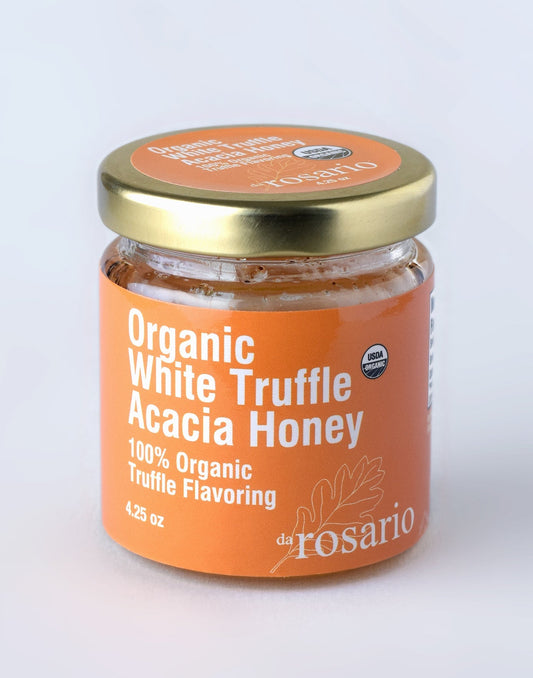
Honey is a natural sweetener produced by bees from flower nectar. Bees collect nectar, transform it enzymatically, and store it in honeycomb, where water content is reduced before harvesting. The final product is a viscous liquid composed mostly of sugars, water, and small amounts of other naturally occurring compounds.
In baking and cooking, honey provides sweetness, aroma, and moisture. Its flavor varies depending on floral source, but it is generally lighter and more aromatic than date syrup. Honey is highly soluble and integrates easily into liquids and batters, making it common in beverages, glazes, and soft baked goods.
Honey is also hygroscopic, meaning it attracts and retains moisture. This characteristic influences shelf life and texture long after baking is finished.
Sweetness is rarely the first thing to shift when date syrup or honey is used. Texture changes first.
Both sweeteners compete with flour and starches for water. Because they are liquids, they introduce moisture immediately and alter how gluten develops and how proteins set once heat is applied. Honey, with its high sugar concentration and water-binding behavior, tends to soften structure and delay firm setting. Date syrup also adds moisture, but its fruit solids can slightly thicken mixtures and add weight.
This explains why cakes sweetened primarily with liquid sugars often feel denser than those relying on granulated sugar, even when sweetness levels are similar. The structure forms differently from the start.
Honey carries aromatic compounds that become noticeable as soon as it is warmed. In baked goods, those aromas rise quickly and can dominate lighter flavor profiles. Date syrup, by contrast, contributes depth rather than aroma. Its sweetness reads darker and more grounded, blending into chocolate, spice, nuts, and whole grains rather than sitting on top of them.
Choosing between date syrup and honey is therefore a flavor decision, not just a nutritional one. The sweetener determines whether sweetness feels bright or deep, subtle or pronounced.
Both date syrup and honey hold moisture, but they do so differently.
Honey tends to keep baked goods soft and pliable over time. This can extend perceived freshness but may also reduce crispness. Date syrup also retains moisture, though its thicker consistency can make finished products feel heavier, especially in dense bars or loaves.
For items that need to be packaged, held, or shipped, these differences influence texture stability, surface stickiness, and shelf behavior.
Before the oven is involved, sweetener choice already shapes outcomes.
Honey dissolves easily and flows freely. When mixed with fats, it coats surfaces smoothly but does not trap air the way granulated sugar does. This limits aeration during mixing, leading to tighter crumb structures.
Date syrup behaves similarly in that it does not contribute to creaming. Its thicker body can slightly increase batter viscosity, which sometimes reduces spread but increases density. Because both sweeteners bypass the creaming stage, recipes that rely on aeration for lift respond strongly to their inclusion.
Honey also brings mild acidity, which can interact with baking soda in certain formulas. Date syrup’s acidity varies by product and processing, so its effect on leavening is less predictable and should be tested rather than assumed.
Cookies reveal sweetener differences quickly. Honey promotes spread and browning, often producing thinner cookies with soft centers and darker edges. Date syrup limits spread slightly but increases chew and color depth. Cookies sweetened with date syrup tend to feel denser and less brittle.
When both are used together, the balance between spread, chew, and color can be adjusted more precisely than with either one alone.
Honey contributes moisture and aroma, which works well in lighter cakes and tea breads. Date syrup adds weight and richness, making it better suited to spice cakes, banana breads, and loaf-style formulas where density is expected.
Swapping one for the other often changes crumb tightness before sweetness becomes an issue. Cakes made with liquid sweeteners generally benefit from careful control of total liquid content.
Date syrup performs well in brownies, energy bars, and dense squares where moisture retention and deep flavor are assets. Honey also works in these applications but may produce a softer, more elastic texture.
In no bake bars, both sweeteners act as binders. Honey produces smoother, more cohesive mixtures, while date syrup adds body and a fruit forward sweetness.
Honey dissolves cleanly and brings shine to glazes and sauces. It integrates easily into hot and cold beverages. Date syrup works best in sauces where darker flavor is welcome, such as barbecue-style glazes or soy-based marinades. In cold liquids, it may require blending to distribute evenly.
| Characteristic | Date Syrup | Honey |
|---|---|---|
| Physical State | Thick liquid with fruit solids | Viscous liquid, highly soluble |
| Flavor Profile | Dark, caramel-like, fruit-based | Sweet with aromatic floral notes |
| Moisture Behavior | Adds weight and moisture | Strong moisture retention |
| Browning Tendency | Darkens quickly due to color and sugars | Browns readily under heat |
| Best Use Cases | Bars, spice cakes, sauces, dense bakes | Glazes, beverages, soft baked goods |
Date syrup can replace honey, but the result will change. Expect darker color, deeper flavor, and slightly heavier texture. Aroma will be less pronounced.
Direct swaps fail most often in recipes that rely on light structure or precise moisture balance. Cakes that need lift and cookies that depend on controlled spread are especially sensitive.
Texture changes before sweetness. Spread, density, and moisture retention shift even when sweetness feels comparable.
Date syrup vs honey is a structural choice, not just a sweetness preference
Date syrup adds darker flavor, weight, and moisture from fruit-derived solids
Honey contributes aroma, moisture retention, and faster browning
Liquid sweeteners bypass creaming, reducing aeration and affecting lift
Texture and structure shift before sweetness when substitutions are made
Intentional use allows better control of density, spread, and shelf behavior
Unexpected baking results often trace back to liquid sweetener choice
Q: What is the main difference between date syrup vs honey?
A: Date syrup vs honey differs mainly in flavor depth and moisture behavior, with date syrup tasting darker and honey providing more aroma and moisture retention.
Q: Does honey make baked goods softer than date syrup?
A: Date syrup vs honey affects softness differently, with honey often producing softer textures due to its strong moisture-binding properties.
Q: Can date syrup be used instead of honey in baking?
A: Date syrup vs honey substitutions work best in dense or moist baked goods, while lighter cakes may require formula adjustments.
Q: Which sweetener browns faster in the oven?
A: Date syrup vs honey both brown quickly, but honey tends to brown faster due to its sugar composition and water activity.
Q: Is date syrup less sweet than honey?
A: Date syrup vs honey often feels similar in sweetness, though date syrup’s darker flavor can make it taste less sharp.
Q: Do date syrup and honey affect shelf life?
A: Date syrup vs honey both retain moisture, but honey typically keeps baked goods softer for longer periods.
Q: Is honey safe for all ages?
A: Date syrup vs honey differs for infants, as honey should not be given to children under one year of age.
Q: Why do some recipes combine date syrup and honey?
A: Date syrup vs honey blends allow bakers to balance aroma, moisture, and flavor depth in a single formula.
In practice, sweetener choice becomes more influential as batch size and production volume increase. Small moisture differences that feel manageable in a single test bake can compound across multiple runs, leading to variation in spread, color, or texture.
Date syrup and honey do different jobs. Honey provides aroma, shine, and long-lasting softness. Date syrup delivers depth, body, and darker sweetness. Having both available allows bakers to fine-tune outcomes without adjusting bake times or mixing methods.
When results drift unexpectedly, liquid sweeteners are often the fastest variable to audit. Cookies spreading too much or cakes feeling heavier than planned often trace back to whether honey or date syrup was used.
Baking becomes more consistent when sweeteners are treated as structural ingredients rather than background additions. Date syrup and honey are not interchangeable, and choosing between them deliberately makes it easier to achieve repeatable results from batch to batch.