

Valentine’s Day Baking Ingredients That Do the Heavy Lifting
|
Time to read 5 min

Need anything else? Grab one of these to complete your purchase.
|
Time to read 5 min
How Valentine’s Day baking ingredients determine color, texture, and structure before decoration begins
Valentine’s Day baking tends to get described from the outside in. People talk about red cake layers, pink frosting, and heart-shaped cookies. Those details matter, but results are decided earlier by Valentine’s Day baking ingredients that control color, flavor, structure, and consistency once heat is applied. If those ingredient choices are off, decoration cannot fix it. If they are right, the rest of the process becomes predictable.
This guide focuses on Valentine’s Day baking ingredients. Not recipes. Not decorating styles. Not trends. Just the ingredients that shape how cakes, cookies, cupcakes, and similar baked goods behave when they are mixed, baked, and cooled.
Red and pink colors do not occur naturally in most cake batters or cookie doughs. In Valentine’s Day baking, those colors come from added food coloring that delivers consistent results when measured accurately and mixed thoroughly.
Red food coloring is used across cake batter, frosting, icing, glazes, and sometimes cookie dough. Pink shades are typically created by using smaller amounts of red coloring rather than a separate ingredient. Color appearance can shift during baking as heat, moisture, and acidity interact. These changes are expected outcomes of how Valentine’s Day baking ingredients respond to heat.
Liquid food coloring is water-based, which makes it easy to disperse but also means it adds moisture. In cake batter, small amounts usually do not cause issues. In cookie dough or thick frostings, added liquid can soften structure, increase spread, or reduce stiffness.
Liquid food coloring works best in Valentine’s Day baking applications where moisture is already controlled and expected.
Gel food coloring is thicker and more concentrated than liquid coloring. Because less volume is needed, it allows color to be added without significantly changing moisture levels. This makes gel coloring useful in frostings, icings, and doughs where texture and structure need to remain stable.
Powder food coloring is dry and highly concentrated. It adds color without adding moisture, making it useful when hydration needs to stay tightly controlled. Dry mixes, sugar decorations, and certain doughs benefit from powdered color when used carefully and mixed evenly.
In Valentine’s Day baking, red velvet is handled as two separate ingredient decisions. The red color comes from food coloring added directly to the batter. The flavor comes from cocoa, vanilla, and sometimes added red velvet flavoring. Handling color and flavor separately keeps Valentine’s Day baking results consistent and adjustable.
Flour provides structure. Protein level affects how baked goods hold together and how they spread. Lower-protein flours are commonly used for softer cake crumb. Higher-protein flours help heart-shaped cookies retain clean edges during baking, which is critical in Valentine’s Day baking where shape matters.
Sugar affects more than sweetness. Granulated sugar influences spread and crispness. Powdered sugar dissolves easily and supports smooth frostings. Brown sugar adds moisture and softness due to molasses content. In Valentine’s Day baking, sugar choice directly affects shape, browning, and texture.
Fat selection changes how baked goods spread, brown, and feel once cooled. Butter adds flavor and browning but melts quickly. Shortening stays solid longer and helps dough hold shape. Oils add moisture but limited structure. These differences matter when Valentine’s Day baking relies on defined shapes and stable frostings.
Leavening agents such as baking powder and baking soda control rise. In Valentine’s Day baking, leavening is often reduced in shaped cookies to prevent puffing and distortion while remaining balanced in cakes for even rise.
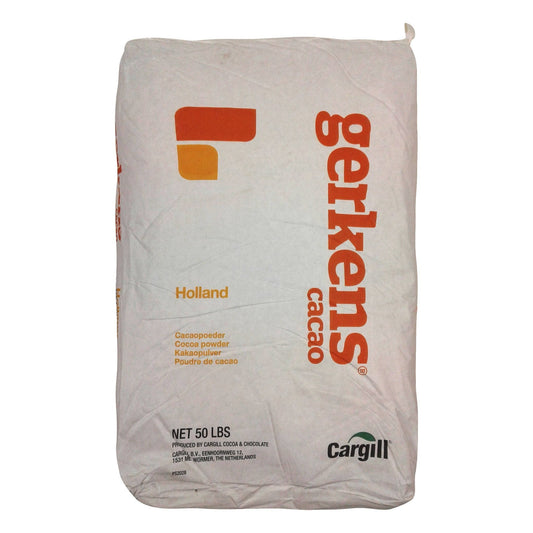
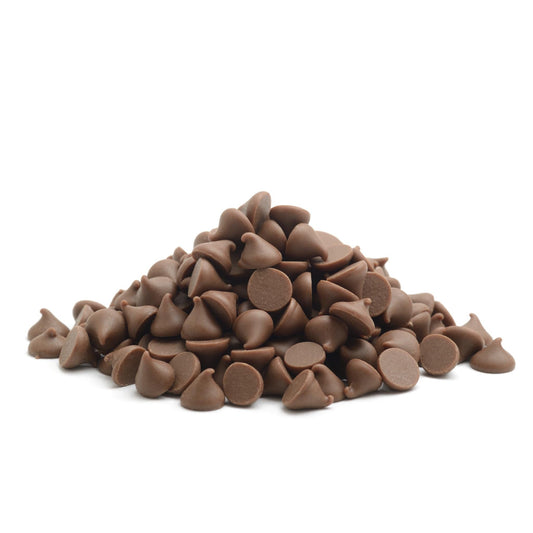
Cocoa powder absorbs moisture and can firm up batter or dough. Chocolate adds fat and sweetness alongside cocoa solids. In Valentine’s Day baking, cocoa is often used in controlled amounts so it does not overpower color, texture, or structure.
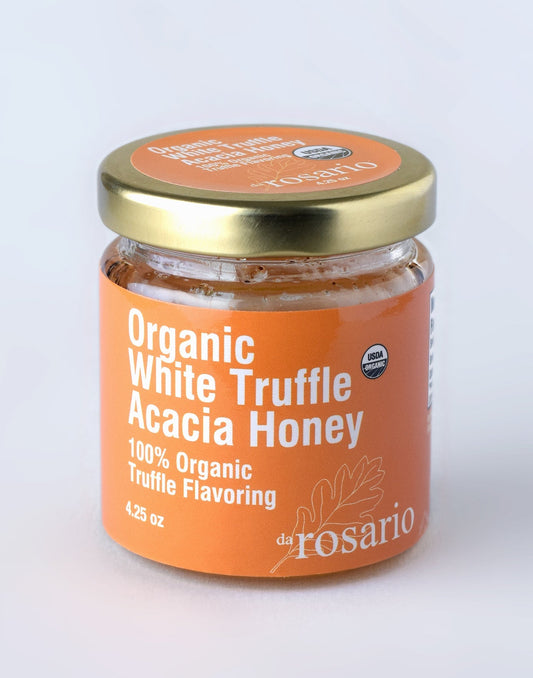
Flavorings such as vanilla, cherry, lemon, and chocolate allow taste to be added without altering moisture balance or texture. Concentrated flavor products are commonly used in Valentine’s Day baking to maintain consistency across batches.
Heart-shaped cutters, pans, and mixing tools influence portion size, heat distribution, and ingredient integration. In Valentine’s Day baking, these tools affect consistency just as much as ingredients.
Seasonal baking often involves repeating the same products across multiple batches. Valentine’s Day baking ingredients are frequently purchased in bulk to maintain consistency in color, flavor, and structure across all batches.
Color strength varies by product. Flour protein affects spread. Fat selection affects texture. Flavor concentration affects balance. Reviewing these Valentine’s Day baking ingredients before starting reduces surprises during baking.
Valentine's Day baking ingredients are standard baking ingredients used deliberately to produce color, flavor, and structure associated with Valentine’s Day.
Food coloring controls appearance. Flavorings control taste. Flour, sugar, fat, and leavening control texture and shape.
Decoration finishes the product, but ingredients determine how it bakes.
Q: What ingredients create red and pink colors in Valentine’s Day baking?
A: Red and pink colors come from approved red food color additives added to batter, frosting, icing, or dough.
Q: Does red velvet cake turn red naturally while baking?
A: No. Red velvet cake gets its color from added food coloring rather than natural color changes during baking.
Q: Why do heart-shaped cookies lose definition?
A: Loss of definition is caused by flour protein level, fat choice, sugar type, and leavening, all of which affect spread.
Q: Can food coloring change dough or frosting texture?
A: Yes. Liquid food coloring adds moisture, while gel and powder forms limit moisture changes.
Q: Why are flavorings used instead of fresh ingredients?
A: Flavorings add taste without changing moisture balance, texture, or structure.
Q: Are bulk baking ingredients different from retail packages?
A: No. Bulk baking ingredients are the same products packaged in larger quantities for consistent use.
Q: Does cocoa affect more than flavor?
A: Yes. Cocoa absorbs moisture and can change texture and structure as well as flavor.
Q: Do baking tools affect Valentine’s desserts?
A: Yes. Tools affect heat distribution, portion size, and shape consistency.
When Valentine’s Day baking is planned around ingredients instead of decoration, the process tends to stay predictable. Color behaves the way it did in testing. Dough holds its shape without extra chilling or adjustments. Frostings stay stable without last-minute fixes.
Most problems that appear late in the process trace back to small ingredient decisions made early. Too much liquid food coloring can soften dough or loosen frosting. A different fat can change when cookies spread in the oven. A sugar swap can shift moisture enough to affect texture. These changes are subtle, but they compound when batches are repeated.
Looking at ingredients by what they change, rather than what they are called, helps prevent those issues. Color affects both shade and moisture. Flour and fat affect spread and structure. Flavorings affect taste without altering texture when they are chosen carefully.
This approach does not limit creativity. It keeps the foundation steady so decoration and finishing steps stay straightforward.