


How many roscas are you baking?
Pick a size and a count and get the dough, costra, and topping weights, plus a rough order list in the pack sizes Baker's Authority sells in bulk and wholesale.
Dough
Costra and toppings
Rough order list
What you are making
Three things to know before the formula.
An enriched ring bread
Rosca de Reyes is a sweet yeast dough shaped into an oval ring, striped with a sugar paste called costra, and decorated with candied fruit to look like a jeweled crown.
One day, high volume
It is served on January 6 for Three Kings Day. Bakeries take pre-orders from late December and run production through the night of January 5.
The hidden figurine
One or more small figurines are hidden inside. Whoever finds one hosts the tamales on February 2, Día de la Candelaria, so the count is printed on the box.
Formula and method
Scaled to 1 kg of flour. Yields about 2,090 g of dough, four medium roscas or two large.
Dough formula in baker's percentages
Bread flour: 100% (1,000 g)
Granulated sugar: 22% (220 g)
Unsalted butter, softened: 25% (250 g)
Whole eggs: 35% (350 g, about 7 large eggs)
Whole milk, lukewarm: 20% (200 g)
Instant yeast: 1.5% (15 g)
Salt: 1.8% (18 g)
Orange emulsion: 1.5% (15 g), or orange zest at 1% plus orange blossom water at 1.5% if the shop prefers fresh zest
Vanilla flavor: 1% (10 g)
Sweet dough improver: optional, at the rate on the bag, for a softer crumb and longer shelf life on a bread often sold a day after baking
Costra (sugar paste topping)
Costra is the pale, slightly crackly paste laid in strips across the top. Equal parts by weight.
All-purpose flour: 100 g
Powdered sugar (10X): 100 g
Unsalted butter or shortening, softened: 100 g
Egg yolk: optional, one per 300 g of paste
Mix smooth, chill 15 minutes, then roll into ropes or pipe with a flat tip. Plan on 80 to 100 g per medium rosca. Tint a batch pink or green with gel color for contrast.
Mix and bulk ferment
Combine flour, sugar, yeast, salt, and improver if using. Add eggs, milk, orange emulsion, and vanilla and mix on low until a shaggy dough forms. Develop on medium 6 to 8 minutes, then add the softened butter in stages and mix until smooth, glossy, and windowpaning. Target dough temperature 76 to 78°F.
Cover and ferment 60 to 90 minutes until roughly doubled. For a next-day bake, rest 30 minutes then retard overnight at 38°F; cold dough shapes more easily.
Divide, shape, and proof
Scale to 500 g for medium or 1,000 g for large. Roll each piece into a log, join the ends into an oval ring, and seal the seam. Set on a parchment-lined sheet pan with a greased ring or ramekin in the center to keep the hole open. Proof 60 to 90 minutes, covered, until puffy and slow to spring back.
Finish and bake
Egg wash the whole surface. Lay costra strips across the ring at intervals and arrange candied fruit between them. Sprinkle sanding sugar, sliced almonds, or shredded coconut over the exposed dough if desired.
Bake at 350°F, 25 to 30 minutes for medium or 35 to 40 for large, until deep golden and 190°F inside. Rotate halfway.
Candied fruit and toppings in bulk and wholesale sizes
From the Rosca de Reyes collection.


Decorating the crown
Alternate colors around the ring: red (glacé cherries or red citron, acitrón rojo), green (candied figs or green cherries), orange (candied orange peel strips), and amber or pink (quince or guava paste cut into batons).
Lay strips lengthwise along the curve and place whole cherries at the junctions. Keep fruit between the costra strips, not on top, so the paste bakes evenly. A sprinkle of sanding sugar, sliced almonds, or shredded coconut gives the surface texture under display lighting.
Traditional acitrón came from the biznaga cactus, now protected in Mexico. The acitrón sold for bakery use today is candied citron, tinted red or green, and gives the same translucent strip.
Shop candied fruitFour ways to sell it
Same dough, different tickets.
Filled rosca
Pipe a line of guava filling, cream cheese, cajeta, or pastry cream down the log before joining the ring. Shorten the proof slightly.
Mini roscas
Scale to 120 g and bake 14 to 16 minutes. Proof and bake in 4 1/2 inch baking cups for single-serve and office orders.
Chocolate rosca
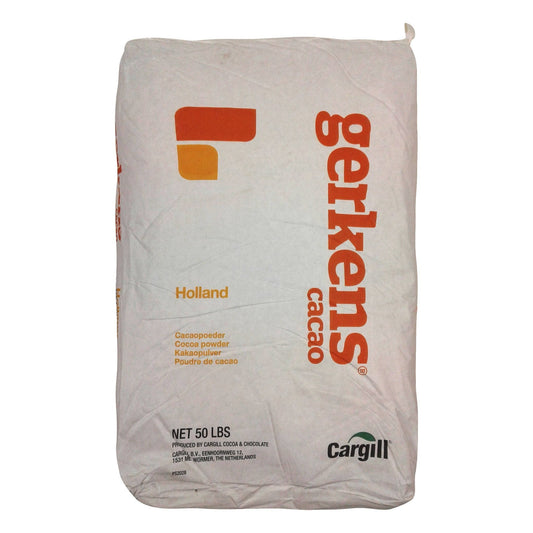
Replace 8% of the flour with cocoa powder and increase the milk by 5%.
Gluten-free rosca
Use a cup-for-cup blend, raise eggs to 40%, and shape in a greased ring mold since the dough is softer.
When to order
Citron, candied fruit, figurines, and boxes sell out every year in the last week of December. Order those first.
Confirm last year's rosca count. Order citron, candied fruit, figurines, and boxes in bulk and wholesale quantities.
Order flour, sugar, butter, yeast, and improver for the January 5 production run.
Open pre-orders, finalize counts, make costra and cut fruit a day ahead.
Production. Many shops run overnight on the 5th for pickup the morning of the 6th.
Ready for January 6
Boxes, figurines, citron, and candied fruit are the items that run short every year. Order them now in bulk and wholesale quantities and the rest of the production run takes care of itself.
Shop rosca supplies